



If you’ve ever heard that the grinder matters more than the espresso machine, believe it — they’re right. The grinder is the single most important piece of equipment in espresso preparation, and yet it’s precisely the component that many manufacturers undervalue the most.
While there are now espresso machines with excellent built-in grinders, the winning combination is still a standalone machine paired with a quality separate grinder. A few years ago, putting together this kind of setup would have felt out of reach for most people, but today it’s entirely possible to find very affordable grinders with more than enough quality to pull great espresso.
Over the past few years, I’ve tested several of the most widely recommended espresso grinders under $300. Here’s what I can tell you about each of them.
Baratza Encore ESP Pro: the best of the bunch
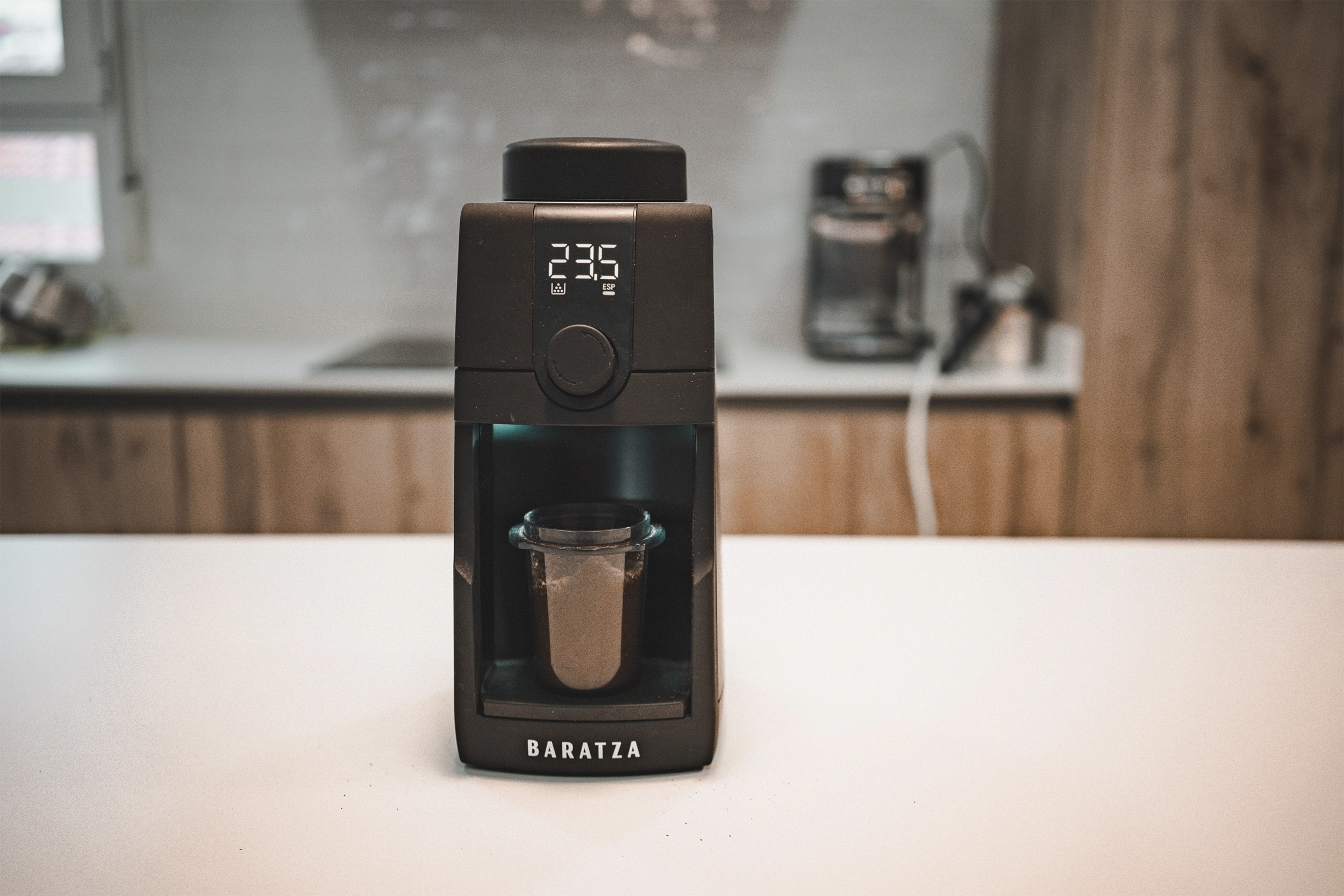
The successor to the Baratza Encore ESP — one of the most popular and successful grinders of recent years — this new model brings meaningful design and performance improvements that make it, in my view, the best espresso grinder of everything I’ll cover in this article.
Baratza Encore ESP Pro
- Extraordinary grinding quality and simple and very precise calibration.
- Somewhat “messy” when using the dosing cup.
I’ve published a full review of the Baratza Encore ESP Pro where you can dive into everything it has to offer. While not perfect, it’s an ideal grinder for espresso, mainly thanks to an exceptionally high-quality and, above all, extremely precise grind. It offers 120 stepless adjustments in total, but from 40 down to 0 — the espresso range — the gap between steps narrows to just 2.2 microns, allowing for perfect dialing-in across all kinds of bean varieties and roast levels.
It’s also a grinder that works fast, runs relatively quietly, and produces very little retention and static. The main downside is a poorly designed grounds outlet: when using the dosing cup, the distance from the chute is too great, and some ground coffee ends up scattering outside the cup.
But that’s really the most significant criticism of what is otherwise a major step forward from its predecessor. Unlike the original Encore ESP, the ESP Pro can be used both as a single-dose grinder and on-demand with a hopper. Details like the continuous adjustment collar, digital display, and base lighting make the Encore ESP Pro a substantially better product — leaving the original Encore ESP feeling like an obsolete product.
DF54: an alternative worth considering for light roasts
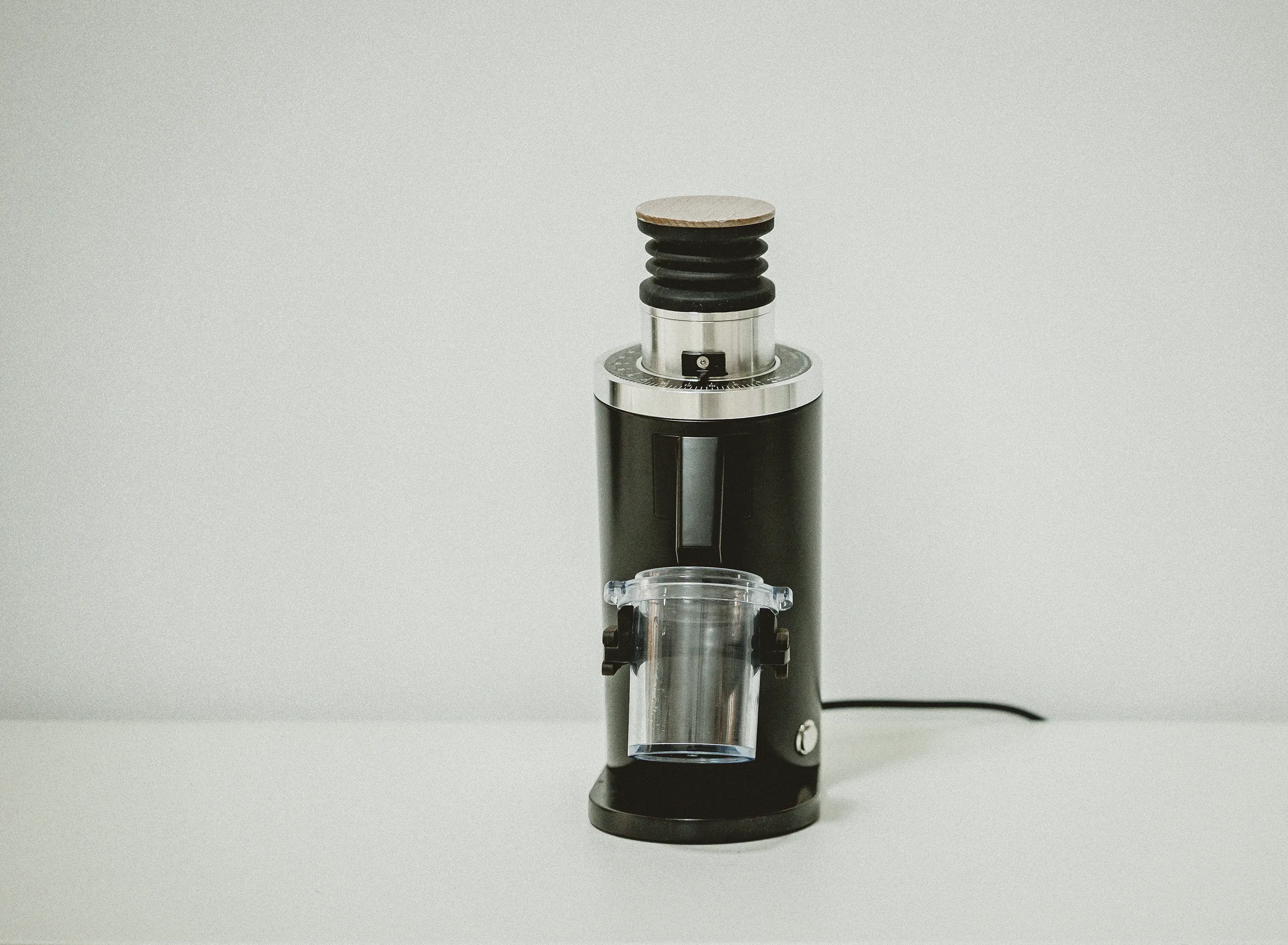
Until the Encore ESP Pro came along, the DF54 was my go-to recommendation for anyone looking for a grinder under $300. It remains a fantastic grinder that’s absolutely still worth your money — though for espresso in general, I think the Baratza Encore ESP Pro has the edge.
MiCoffee DF54
- Flat burrs, ideal for light roasts and/or filter preparations.
- Less precise calibration, not as good flavor profile for medium and dark roasts.
That said, the DF54 may actually be the better option if you’re a light roast enthusiast. Its 54mm flat burrs produce a flavor profile that really suits this style of coffee, emphasizing the high notes — acidity, fruitiness — and resulting in a brighter, clearer, and more complex espresso. The DF54 also has a couple of practical advantages over the Baratza: lower retention — helped significantly by the bellows on the lid — and, without a doubt, a cleaner workflow, since all the ground coffee falls directly into the cup.
On the downside, the DF54 doesn’t offer quite as precise an adjustment range, runs a bit noisier, grinds noticeably slower, and disassembling it to clean the burrs is more involved. Until recently, it was also harder to get hold of due to stock issues at MiCoffee and Turin — the two main retailers — though at the time of writing, those appear to have been resolved.
Fellow Opus: a versatile grinder for espresso and filter
The Fellow Opus is a single-dose grinder that I also had the chance to review, and which left me only partially satisfied — so I’d recommend it mainly as an alternative if your budget is tighter and you’re looking for something more versatile than a pure espresso grinder.
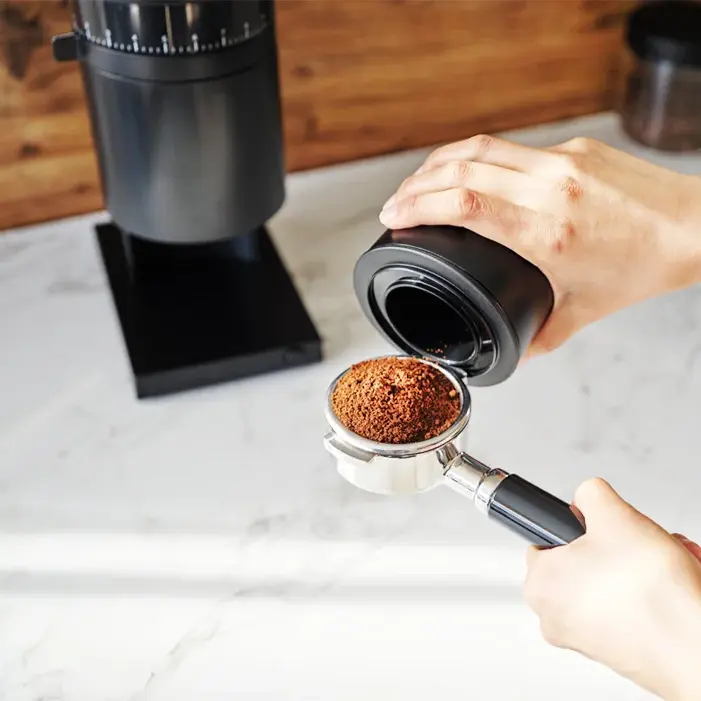
Fellow Opus
- Grinds very well for espresso and also for filter.
- Quite a bit of retention and static.
Starting with the positives: the Fellow Opus grinds fantastically well for espresso, producing a fine and homogeneous grind, and its wide adjustment range also makes it effective for other brewing methods. In terms of performance, it’s actually very similar to the Baratza Encore ESP Pro — both share 40mm conical burrs and a motor of the same power.
The reason it falls short of the Baratza or the DF54 comes down mainly to its adjustment mechanism. While it offers plenty of granularity steps, the process is more cumbersome and less intuitive, requiring you to remove the upper burr to access the internal adjustment ring.
It also struggles more with retention and static. These issues can be almost miraculously solved using the RDT technique — spraying a few drops of water onto the beans before grinding — but that obviously adds an extra step to your workflow, making the whole process less practical and convenient.
In my full review of the Fellow Opus I cover other aspects of the grinder, such as its design — attractive aesthetics, though it feels a bit too plasticky — and how easy it is to clean. Overall, it’s a solid grinder, and a good pick for those who prioritize versatility.
Sage Smart Grinder Pro: capable, but only worth it on sale
The Sage Smart Grinder Pro is another widely popular grinder, largely because it was one of the first affordable home grinders that could genuinely produce a good espresso grind — a combination that turned it into a strong seller. It launched in 2018 and continues to sell well to this day.
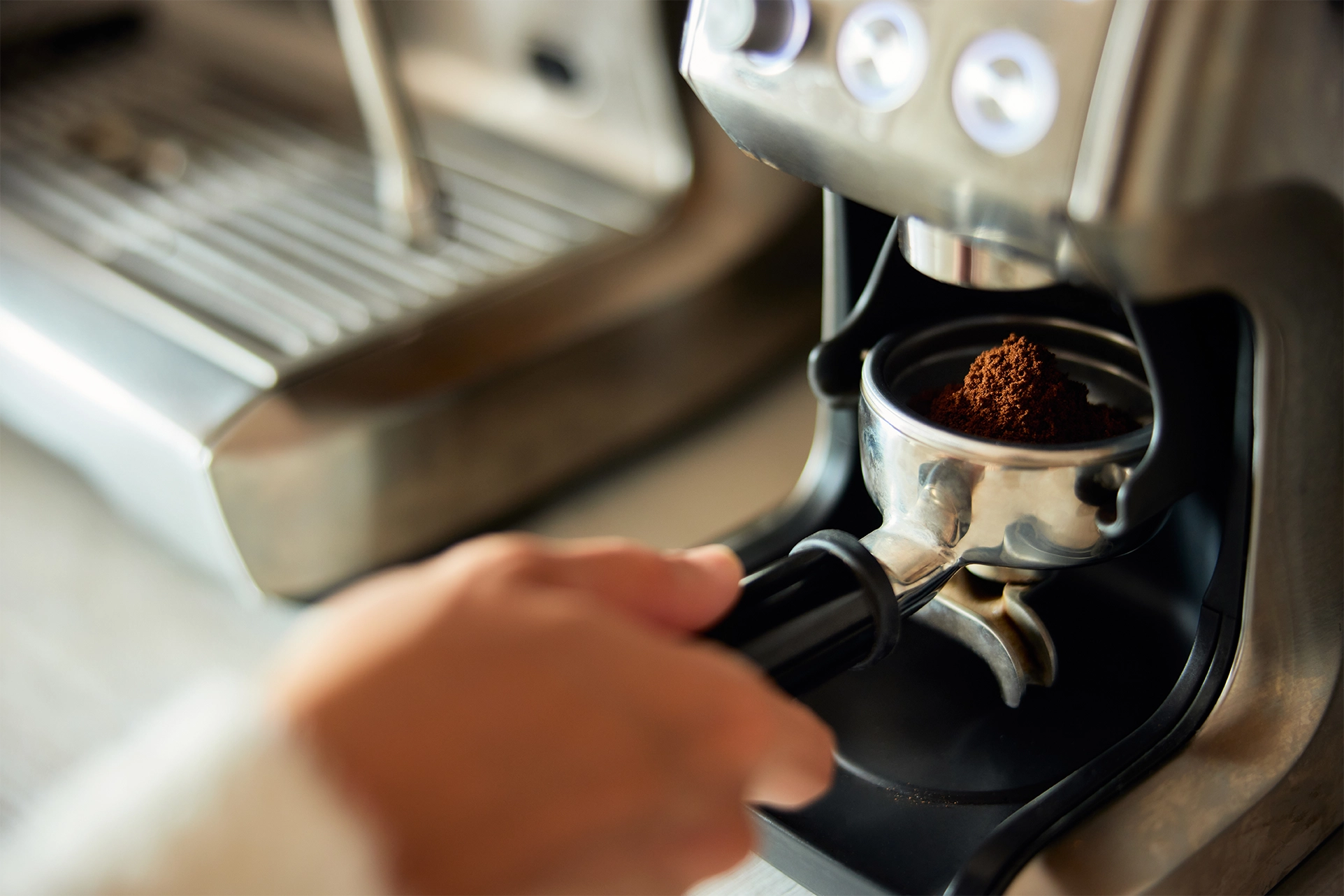
Sage Smart Grinder Pro
- Good grinding for espresso, with included support for portafilters.
- Somewhat inconsistent and with static that produces clumpy ground coffee.
The Smart Grinder Pro is an on-demand grinder, meaning it comes with a large hopper for storing whole beans, along with a control panel featuring an LCD screen where you can view the grind setting and select both grinding time and number of doses.
One thing I particularly appreciate about this grinder is its portafilter support, which makes it a natural pairing with other Sage machines — though it also includes an airtight container for collecting ground coffee if you prefer that workflow.
On the performance side: it grinds well for espresso, but it’s far from perfect. In fact, it uses Baratza burrs inside — Baratza was acquired by the Sage/Breville group a few years ago — and you can expect a similar experience to the grinder found in the Barista Express: decent results, but not the most consistent grind, and calibration in the finer settings can be fiddly. It also has noticeable retention and tends to clump with medium or light roast beans, so using a WDT distribution tool to properly prepare your puck is advisable. If you’re using the portafilter support, a dosing funnel is also a good idea.
All of this means it isn’t the strongest grinder in this roundup. Its price puts it in the same ballpark as the DF54 and the Baratza Encore ESP Pro, which makes it a clear step down in value at full price. It’s a grinder I’d only recommend when it’s on sale for under $200.
