

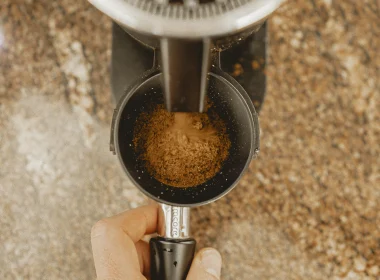


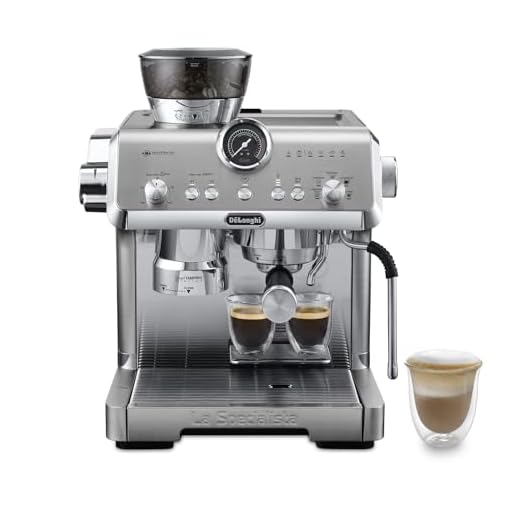
I recently tested the Specialista Opera, the newest model in De’Longhi’s Specialista range—a lineup with which the Italian brand aims to compete with Sage/Breville in the market for pump espresso machines with integrated grinders. This type of machine has become increasingly popular, with more and more manufacturers now venturing into this category.
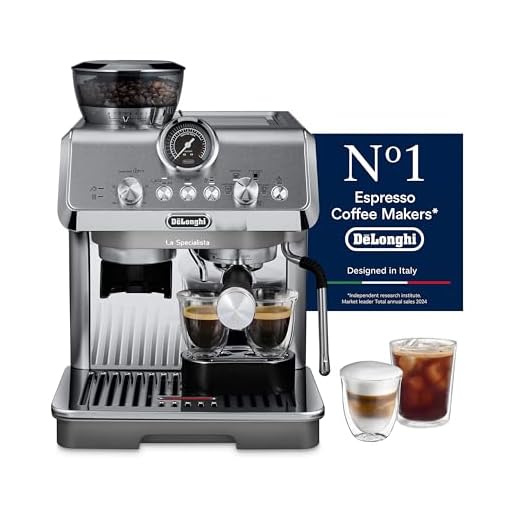
I found the Opera to be a better machine than the Specialista Arte and Arte Evo, which I’ve had the opportunity to test previously. But just how much better is it really? And how does it stack up against other models in the range, like the Touch and the Maestro Cold Brew?
Comparison table (swipe to see all features)
 |  |  |  |  | |
| Dual Thermoblock |  | | | |  |
| 3-Way Solenoid Valve | | | | | |
| Smart Tamping | | | | | |
| Cold Extraction | | | | | |
| Steam Wand | Manual | Manual | Manual | Manual/Auto | Manual/Auto |
| Pressure Gauge | | | | | |
| Pressurized / Non-Pressurized Baskets | / | / | / | / | / |
| Tamping Kit | | | | | |
| Programmed Recipes | 2 | 3 | 5 | 7 | 8 |
| Water Tank | 1.7 L | 1.7 L | 2 L | 1.8 L | 2.5 L |
| Dimensions | 11.2 x 14.4 x 15.8 in | 11.2 x 14.4 x 15.8 in | 14.0 x 15.0 x 17.5 in | 12.6 x 14.4 x 15.7 in | 16.5 x 14.5 x 18.3 in |
| Where to Buy |
Amazon |
Amazon De’Longhi |
Amazon De’Longhi |
Amazon De’Longhi |
Amazon De’Longhi |
De’Longhi Specialista Arte & Evo vs. Opera: Where Are the Differences?
In my review of the Specialista Opera, I leave no room for doubt: it’s better than the Specialista Arte and Arte Evo. There are basically four areas where it’s a superior machine:
- A grinder with more settings: I don’t think the Opera’s grinder actually grinds finer than the Arte and Arte Evo models, but it does have more grind settings, which gives you more flexibility and room to calibrate and fine-tune your grind. This can be especially useful when working with medium and light roast coffee beans.
- Three-way solenoid valve: The main advantage of having this type of valve is that the Opera can perform dynamic pre-infusion, transitioning from low-pressure pre-infusion to high-pressure extraction continuously and without pause. The benefit here is that the machine better controls coffee saturation, preventing channeling and ensuring the entire puck is evenly wetted before applying full pressure.
- Assisted tamping with Smart Tamping: The Opera also features an assisted tamping system called Smart Tamping. A lever located on the left side of the machine lowers a tamper that applies up to 20 kg (44 lbs) of pressure to the portafilter. This system reduces coffee grounds spillage during puck preparation and makes this task easier for anyone who hasn’t mastered the process.
- Superior design: While the look and aesthetics are similar, the Opera has better finishes and materials, which is also reflected in its weight—practically double that of the “Arte” models.
Another clear advantage is that the Opera includes additional recipes: compared to the Specialista Arte, the Opera offers Espresso Cool and Cold Brew recipes, and compared to the Arte Evo, just the Espresso Cool option. For those who enjoy preparing cold coffee drinks, having the ability to brew at lower temperatures is definitely a plus.
As for the rest of the features, there aren’t many differences. For example, all three machines have an identical steam wand in terms of power and functionality (single-hole tip) that can texture milk very well, though I do wish it had a bit more range of motion. All three models also have a similar control panel with a practical temperature adjustment button, pressure gauge, and a separate hot water spout independent from the coffee outlet.
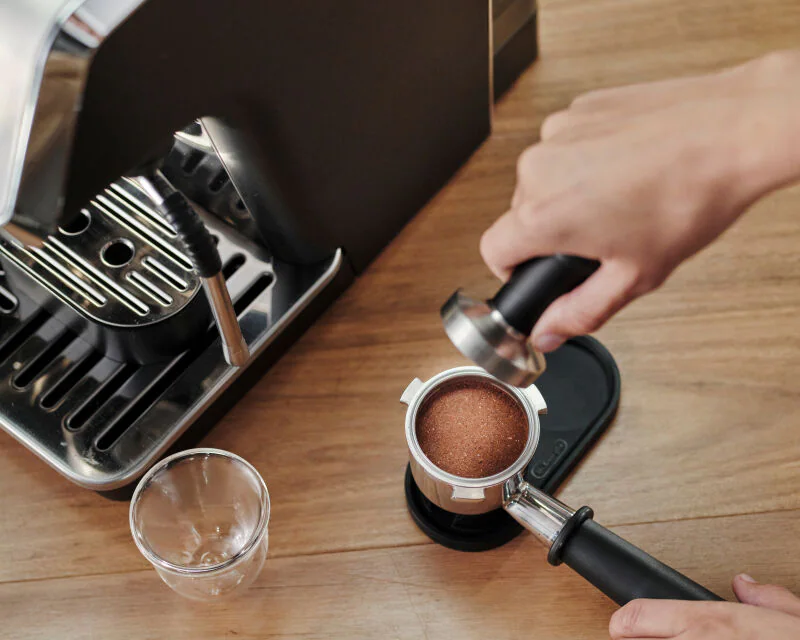
It’s worth mentioning another difference: the Specialista Arte and Arte Evo include a barista kit consisting of a tamper (quite good quality, actually), a tamping mat and platform, and a dosing funnel to minimize waste. This kit isn’t included with the Opera because it’s not necessary (remember, the machine has assisted tamping).
One final point of difference worth noting is that only the Opera includes both pressurized and non-pressurized filter baskets. The Specialista Arte and Evo only come with non-pressurized baskets. That said, it’s always advisable to use non-pressurized baskets to get the best flavor from your coffee and have more control over the result. Ultimately, they’re the ones that allow you to better adjust your grind and achieve an infinitely better espresso than you can with pressurized baskets.
What About the Specialista Touch and Maestro Cold Brew?
The Specialista Touch is the other model launched by De’Longhi in 2025, alongside the Opera. The “Touch” name comes from its color touchscreen, which completely replaces the analog control panel found on the Specialista Arte models. It’s the first model in the family with a screen, which also gives it the most modern appearance.
But it has another standout feature: the steam wand with automatic milk frothing system. It’s exactly the same steam wand as the De’Longhi Dedica Maestro Plus, a machine I previously reviewed. This allows it to offer programmed recipes for cappuccino, latte, and flat white, in addition to espresso, americano, and cold brew.
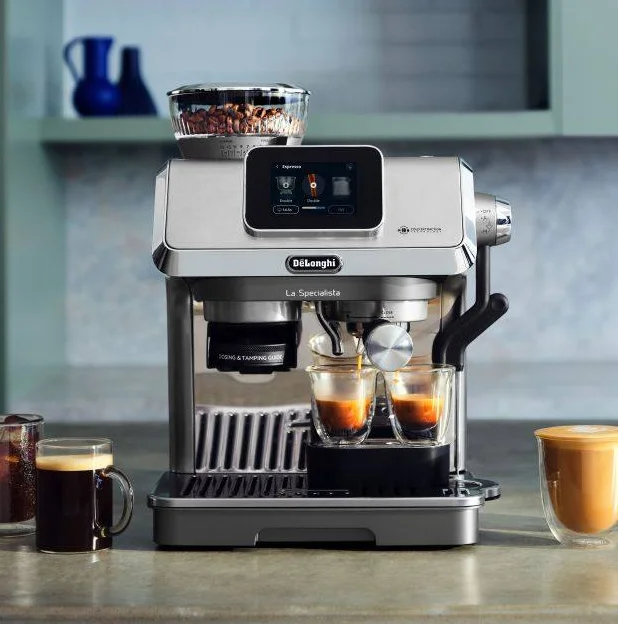
On the other hand, it appears to have the same grinder (also 15 grind settings) but lacks Smart Tamping, so like the Specialista Arte models, it comes with a barista kit—in this case with a calibrated tamper and a dosing ring, along with the tamping mat and dosing funnel, which make puck preparation even easier.
However, the Touch doesn’t have a three-way solenoid valve and lacks the Opera’s dynamic pre-infusion. In this respect, it falls short.
As for La Specialista Maestro Cold Brew, this model is an upgraded version of the original Maestro, the first model De’Longhi launched in this range alongside the now-discontinued Prestigio. In reality, this Specialista Maestro Cold Brew is quite similar to the Opera in many features, with a 15-setting grinder, three-way solenoid valve, and Smart Tamping, as well as cold brew and espresso cool recipes.
The Maestro has some features that seem to justify its price as the most expensive model in the range: dual Thermoblock system and a milk carafe with automatic frother (manual steam wand optional), plus 5 extraction temperature settings (the most of any model), three-way solenoid valve and dynamic pre-infusion (like the Opera), and a control panel that, while not as modern as the Touch’s, is more advanced than the Arte and Opera models, with elegant backlit touch dials.
So What’s the Bottom Line? Which De’Longhi Specialista Is Most Recommended?
As of today, I believe the most recommendable models are the Specialista Arte and the Opera. The reason is simple: the Specialista Arte is the model with the best value for money (it’s one of my recommended espresso machines), while the Opera has most of the Maestro’s features but at a much more reasonable price.
The Specialista Touch could be an interesting option depending on the price, while the Maestro is priced too high. For the same price, competing machines like those from Sage are more recommendable.

