


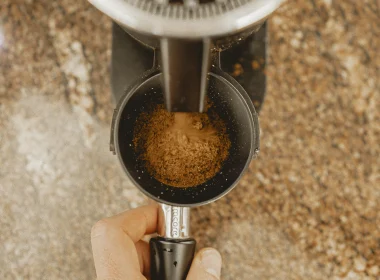


One of the first ideas I remember about espresso extraction when I started going down this rabbit hole was the notion that blends are easier to extract than single origins — but over the years I’ve found that this isn’t always true.
In reality, blends are the traditional way italian espresso has been consumed historically, since the beans used — whether arabica or robusta — were always mixtures of different origins. Single origin espresso is a concept brought about by specialty coffee, or as some like to call it, third wave coffee.
So if blends are easier to extract, it’s simply because they have been the standard way to distribute, prepare and consume espresso. The difference between modern blends and older ones is that modern blends are better curated, more varied, and — when we’re talking about specialty coffee blends — made with better roasts, more consistent and roasted to a medium profile rather than the dark roast that has historically defined espresso.
What exactly is a blend?
The answer is straightforward: it’s a mixture of coffee beans from different origins, and sometimes it can even be a mix of arabica and robusta beans. In fact, the norm in espresso has traditionally been to combine a small proportion of arabica beans (which were more expensive) with a majority of robusta beans, which were cheaper.
The rising quality standards brought by specialty coffee have gradually shifted the balance in blends toward arabica, and today that kind of blend is rare. In the specialty coffee world, the norm is to drink 100% arabica blends — just from different origins.
Another common misconception is that blends are exclusive to espresso, when in fact there are blends designed for filter brewing as well. And this brings up something key to understand: a blend is, in many cases, a work of deliberate composition by the roaster, who plays with the flavor and aroma nuances of different origins to create something new. The roaster’s experience and expertise determine the quality of that blend, regardless of whether it’s intended for espresso or filter.
The logic behind a blend — when the roaster knows what they’re doing — is to seek a balance, a consistency and a complementarity of profiles that can’t be achieved with any single origin coffee alone. In fact, it’s quite common for a roaster’s blends to be combinations of single origin coffees already in their catalogue, and it’s only after months of work and accumulated knowledge — once they understand the properties of each origin and have run the necessary tests to find which ones pair well and in what exact proportions — that they finally release a blend.
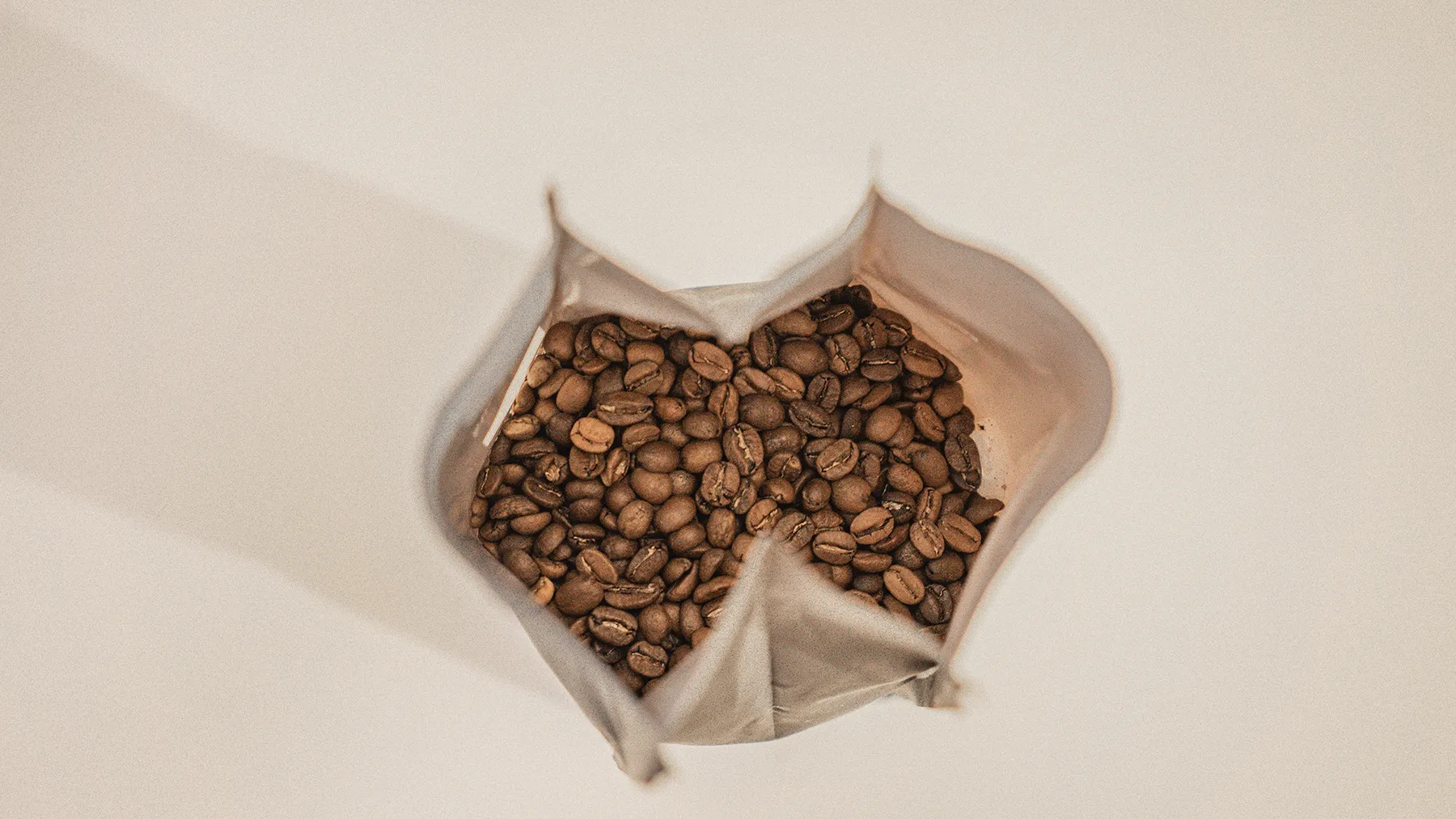
Why are they said to be easier to extract, then?
The roaster’s expertise is key here, since they know the strengths and weaknesses of each origin intimately. When creating a blend, they can compensate: the flaws of one origin are offset by the strengths of another. At the same time, consistency is gained — by combining origins, seasonal variation from one harvest to the next is smoothed out.
This is, however, a double-edged sword: the unique flavors of each origin get somewhat masked. You gain consistency but lose the distinctiveness of the individual origin. For this reason, I think blends tend to suit lovers of “classic” espresso — the kind most people know. This is why roasters often recommend blends to beginners: not so much because they’re easier to extract, but because they offer a comfortable entry point into the world of espresso, with a more traditional flavor profile rather than the exotic notes that some single origin coffees deliver.
Another reason this idea of blends being easier to extract persists: most commercial blends are dark roasted, and dark roast is known to extract more easily due to its higher solubility compared to medium or light roasts.
On that note, blends tend to be the go-to recommendation for super-auto coffee machines for exactly this reason: the technical characteristics of these machines make them particularly well-suited to dark roast coffees. And since they are less nuanced than an espresso machine paired with a good grinder, it feels like a waste to use single origin coffees — which are more expensive than blends — in them, since the subtle flavors and aromas wouldn’t come through anyway. A blend is more than enough in this case.
Blend or single origin? The wrong question
By this point in the article it should be clear that the idea of blends being easier to extract is not a universal truth, but a concept inherited from decades of commercial espresso with dark roasts, imprecise machines and a consumer who wasn’t looking for complexity but for consistency.
Ease of extraction actually depends on a chain of variables — the roast level, the processing method, freshness, your machine and the skill of whoever is behind it — far more than on whether you’re dealing with a blend or a single origin. A specialty blend with a medium roast can be just as demanding to extract as any washed Ethiopian coffee, and a single origin with a medium-dark roast can be more forgiving than many artisan blends.
The choice between one and the other should come down to what you’re looking for in the cup: if you prefer a more exotic flavor and want to explore the profile of a specific origin, single origin is the obvious choice. If, on the other hand, you’re after a balanced, consistent cup with a classic profile that doesn’t require you to recalibrate every week, a blend fits that role perfectly.

