


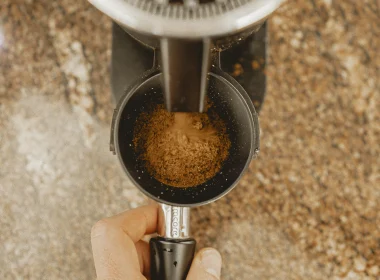

One of the most common pieces of advice you’ll hear in the barista and home espresso community is that it’s better to have a standalone grinder paired with a separate espresso machine, rather than an all-in-one unit.
I’ll be upfront: I largely agree with that take, though in this hobby, very few things are truly black and white, and there are some real nuances worth considering. Here’s why I think a separate grinder is generally the right call, and when an integrated grinder machine might actually make more sense for you.
The Core Reason a Separate Grinder Wins
The main argument behind this advice is straightforward: in most cases, you simply get a better overall setup — a better grinder and a better espresso machine — by buying them separately rather than opting for an all-in-one unit.
Let me give you a few concrete examples. For roughly the same price as the Breville Barista Express — typically the most recommended entry-level machine — you could pick up a Baratza Encore ESP Pro paired with either the Breville Bambino or Bambino Plus. That combo edges out the Barista Express across the board.
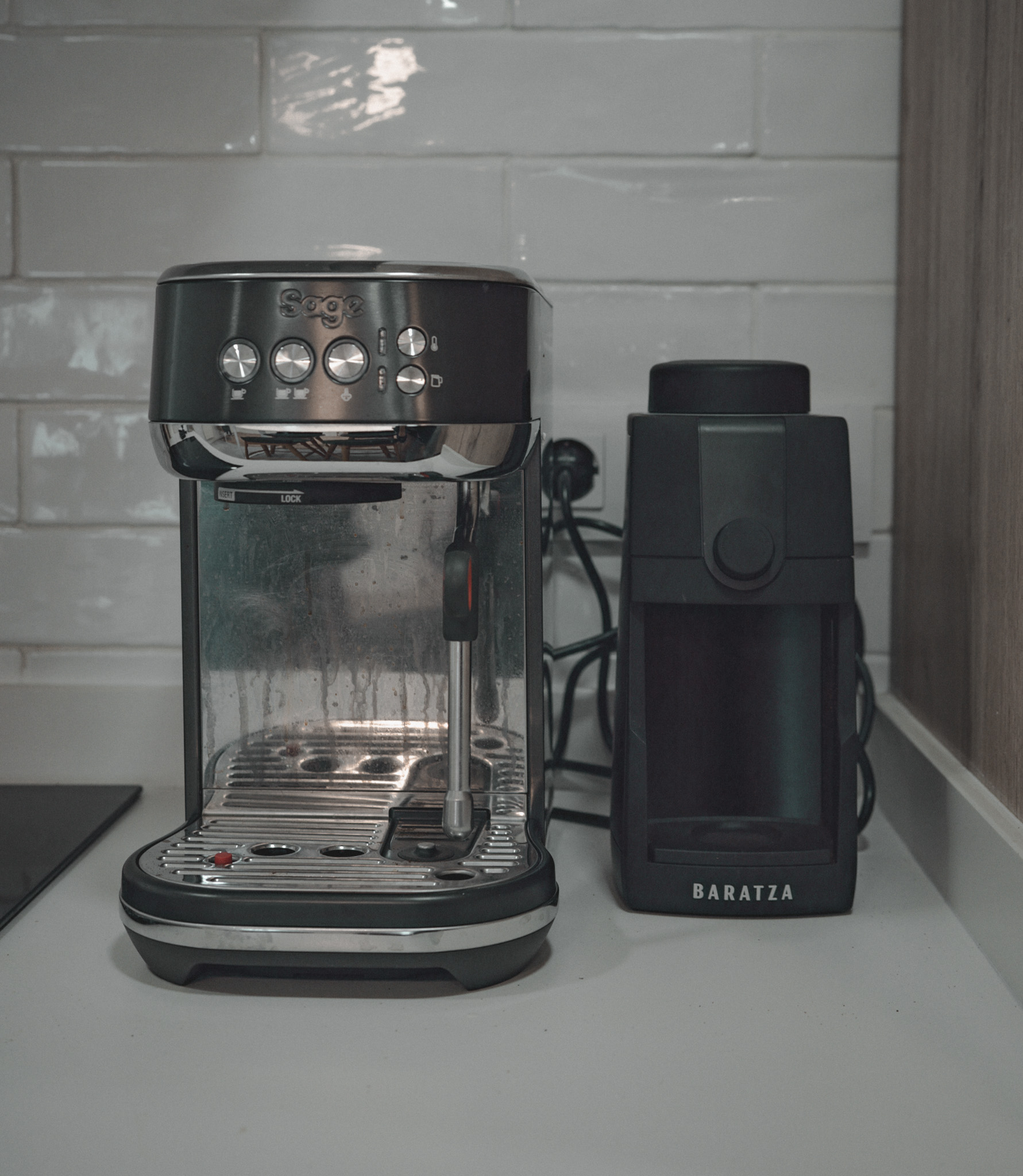
If we move up the price ladder to something like the De’Longhi Specialista Opera, the same story plays out: you can put together a DF54 grinder and a Bambino Plus for a similar price, and in terms of pure espresso quality, that pairing comes out ahead.
And it’s not just about grind quality in isolation. Standalone grinders tend to grind finer, more uniformly, and with less retention, but they also offer a wider range of grind settings, which becomes increasingly important when you’re working with medium or light roast beans.
Of course, this isn’t always the case, since low-end coffee grinders tend to be pretty poor, and you have to spend over $200 to find decent models. In my guide to the best value-for-money coffee grinders, you’ll find the models I currently recommend.
There’s Another Reason That’s Just as Important
There’s a second argument that fans of the separate setup make — and it’s not a small one: with an all-in-one machine, if one part breaks, you lose everything. With separate units, you’re only ever down one piece.
It’s actually not uncommon for the grinder or brew group on a semi-automatic machine to fail at some point. When that happens, you have to ship the whole unit in for repair and you’re left without either a grinder or an espresso machine in the meantime. And if you’re out of warranty and don’t want to tackle the repair yourself, you’re stuck: you can replace one component, sure, but then you’re left with a large countertop appliance where half of it doesn’t work — which defeats the whole point of having an integrated setup in the first place.
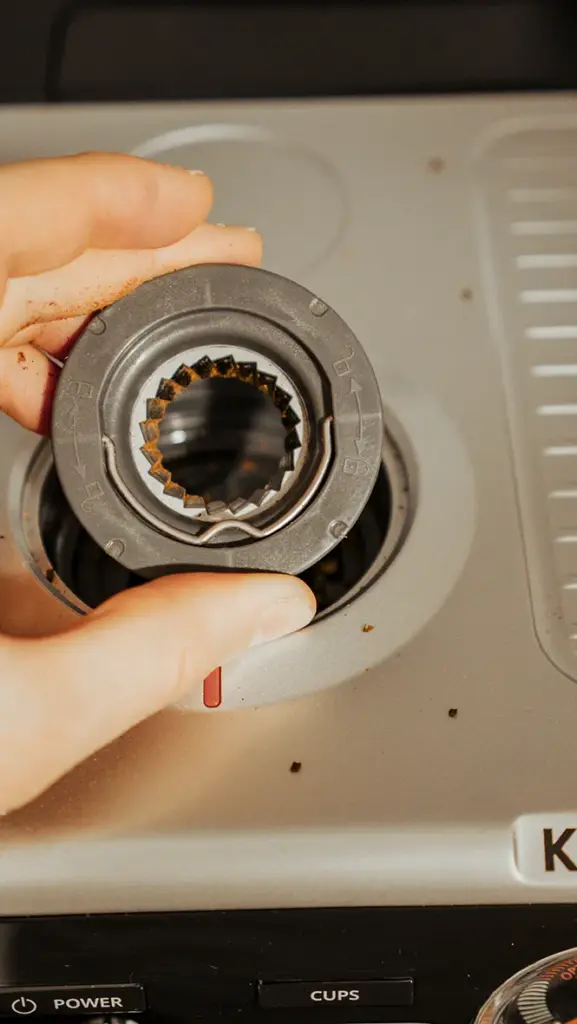
This actually points to one of the key things to look for if you are considering an all-in-one machine: whether the grinder is removable for easy servicing or burr replacement. It’s worth paying attention to, because not many machines offer this. Breville deserves credit here, they make the grinder removable on all of their integrated machines. De’Longhi, by contrast, does not.
When Does an All-in-One Machine Actually Make Sense?
Over the past few years, the market for semi-automatic machines with integrated grinders has grown enormously. And honestly, if they’re selling this well, there’s clearly a real audience for them. The truth is they’re a genuinely convenient solution and a lot of people simply prefer having one appliance on the counter doing the job of two.
On top of that, more and more of these machines are coming to market with built-in dosing and tamping systems. These features take a lot of the guesswork out of two of the trickiest parts of pulling a good shot: getting the right dose into the portafilter and achieving a consistent tamp.
Whether or not they include those more advanced systems, integrated grinder machines can be a solid choice for espresso beginners who feel intimidated by the calibration process that comes with a more advanced standalone grinder. The simpler grinders built into these machines have a much gentler learning curve.
They can also be the more budget-friendly option and at the right price point, they’re more than capable of pulling a genuinely decent espresso. The De’Longhi Specialista line comes to mind here, particularly the Arte, not a showstopper by any means, but a capable, affordable combo that gets the job done for home lattes and cappuccinos without breaking the bank.
The Breville Barista Express is another classic entry point into home espresso, though as I mentioned earlier, you can put together a better grinder-and-machine combo for the same money if you’re willing to buy separately. That said, the Barista Express Impress is the more compelling option for beginners — its integrated dosing and tamping system works really well, keeps things cleaner, and removes a lot of the headaches from the workflow.
Even the Breville Barista Pro, which has dropped noticeably in price over the last couple of years, is worth a look. It’s a step up from the Barista Express in overall performance, and it packs a meaningfully better grinder — essentially the same burr set found in the Baratza Encore ESP.
